
The Science of Scarring
While scarring is a natural part of the healing process, it is a significant concern for both physicians and patients because of how difficult it is to predict scar severity. The extent of scarring depends on a number of factors including:
- Wound type, depth, size, and location
- Presence/absence of infection
- Patient age, health and ethnicity
Phases of Wound Healing and Scar Formation
All wounds go through the same three-phase repair process.
Phase 1: The Inflammation Phase – During the Inflammation Phase of wound repair, the body quickly stops the bleeding process by restricting blood flow and forming a plug made from platelets. This plug is then strengthened by the addition of fibrin strands to form a scab. White blood cells move into the wound within the first few days to clean the wound site. Shortly afterwards, the cells needed for the second phase of healing arrive at the wound site: this includes fibroblasts, the cells responsible for scar tissue formation.
Phase 2: The Proliferation Phase – Of all the phases of wound healing, the Proliferation Phase is the most relevant to scar formation. During this phase, fibroblasts produce collagen: a very tough flexible material that gives strength and structure to help a wound close. Collagen is commonly referred to as scar tissue. Catenin is a protein that controls the deposition of collagen during wound healing by regulating the activity of fibroblast cells. The Proliferation Phase starts within several days of wound formation and continues for approximately three weeks.
Phase 3: The Remodeling Phase – The Remodeling Phase starts several weeks after the Proliferation Phase and last up to two years. During this period, the original collagen is continually replaced with a stronger, different type of collagen that is arranged in a more favorable pattern.
Types of Scars
Hypertrophic Scars
Hypertrophic scars (also called hypertrophic) are caused by an exaggerated wound healing response that results in  an excessive deposition of collagen. This exaggerated response has been linked to elevated levels of catenin present in hypertrophic scars relative to levels found in normal scars. Hypertrophic scars become raised, swollen and reddened during wound healing causing them to stand out from the surrounding skin. Many patients consider them to be unsightly and irritating. Typically, hypertrophic scars feel firm to the touch and may be sensitive to changes in temperature or texture. They can also be itchy and cause painful contractures. If these contractures overlay a joint it can often result in a restricted function. Hypertrophic scars occur more frequently following thermal injuries and other injuries that involve the deep dermis. Too much tension on wound edges, poor approximation of wound edges, and infection are also potential causes hypertrophic scarring. Up to 15 percent of the general population is affected by hypertrophic scarring following wounding. The incidence of hypertrophic scarring following surgery is especially high: 39 percent in Caucasian and 68 percent in Asian patients. In Asian patients the incidence following burns is 91 percent.
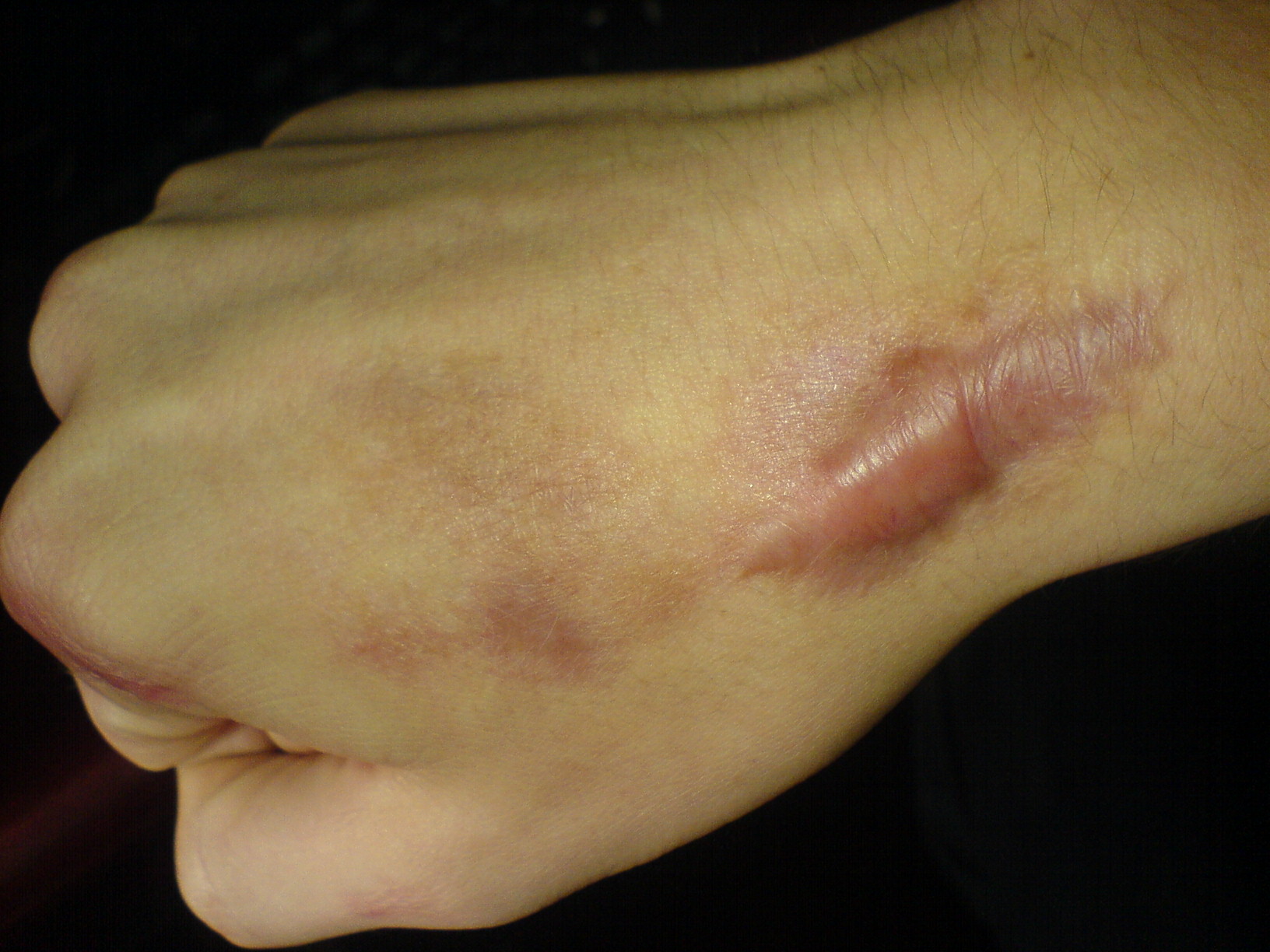 Keloid Scars
Keloids are similar to hypertrophic scars in that they result from an exaggerated wound healing process in terms of inflammatory response and fibroblast proliferation. Unlike hypertrophic scars, keloids by definition extend and grow beyond the original boundaries of the wound.
Other Scar Types
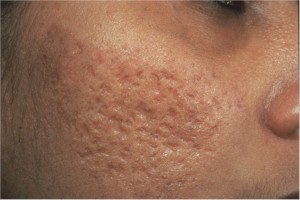 Contracture scars result from the over-tightening of the skin where a more severe burn has occurred. Acne scars, alsocalled atrophic or depressed scars, differ from other scars as they develop when there is a loss of tissue.
Repair to Surgery Related Scarring
Every year, more than 100 million people in developed countries worldwide experience dermal scarring resulting from surgery. Scarring can have significant physical and psychological implications, from reduced function to disfigurement and emotional trauma.
Market research indicates a majority of surgery patients are unhappy with their scars, and both clinicians and patients would like access to proven therapies for the reduction of post-surgical scarring: